Sharing space with wildlife
At VMT we are committed to having as little impact as possible on the wild creatures that inhabit this landscape.
Grizzly bears, wolverine, mountain goats, lynx, marten, and more live and travel through our tenured area. Catching a glimpse - or just seeing tracks - is a highlight of being in the mountains. We value these moments and recognize the importance of giving wildlife the space they need. Sometimes that means adjusting our routes or changing activities to avoid disturbance.
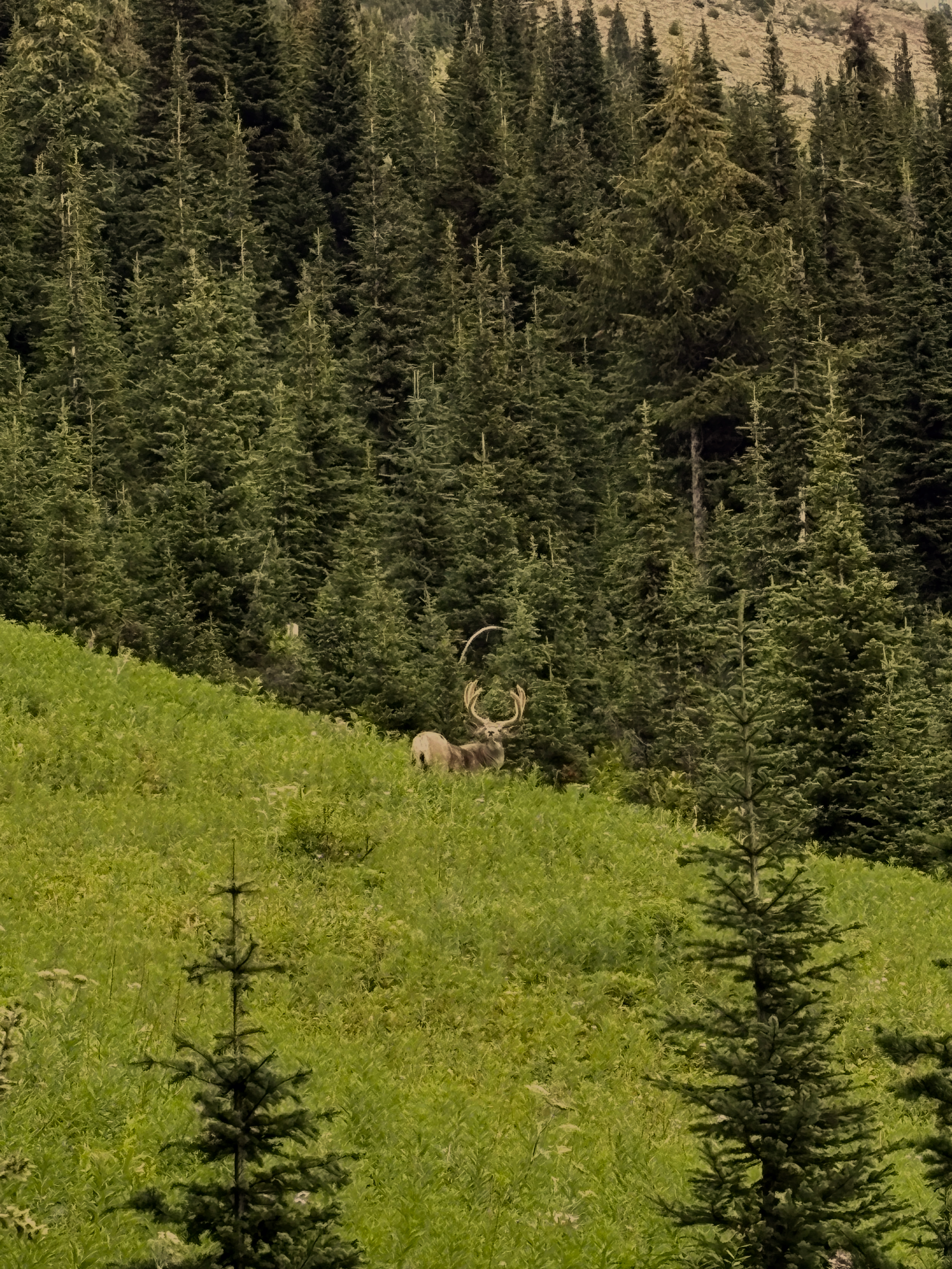
Mule deer buck grazes near VMT lodge
Know before you go
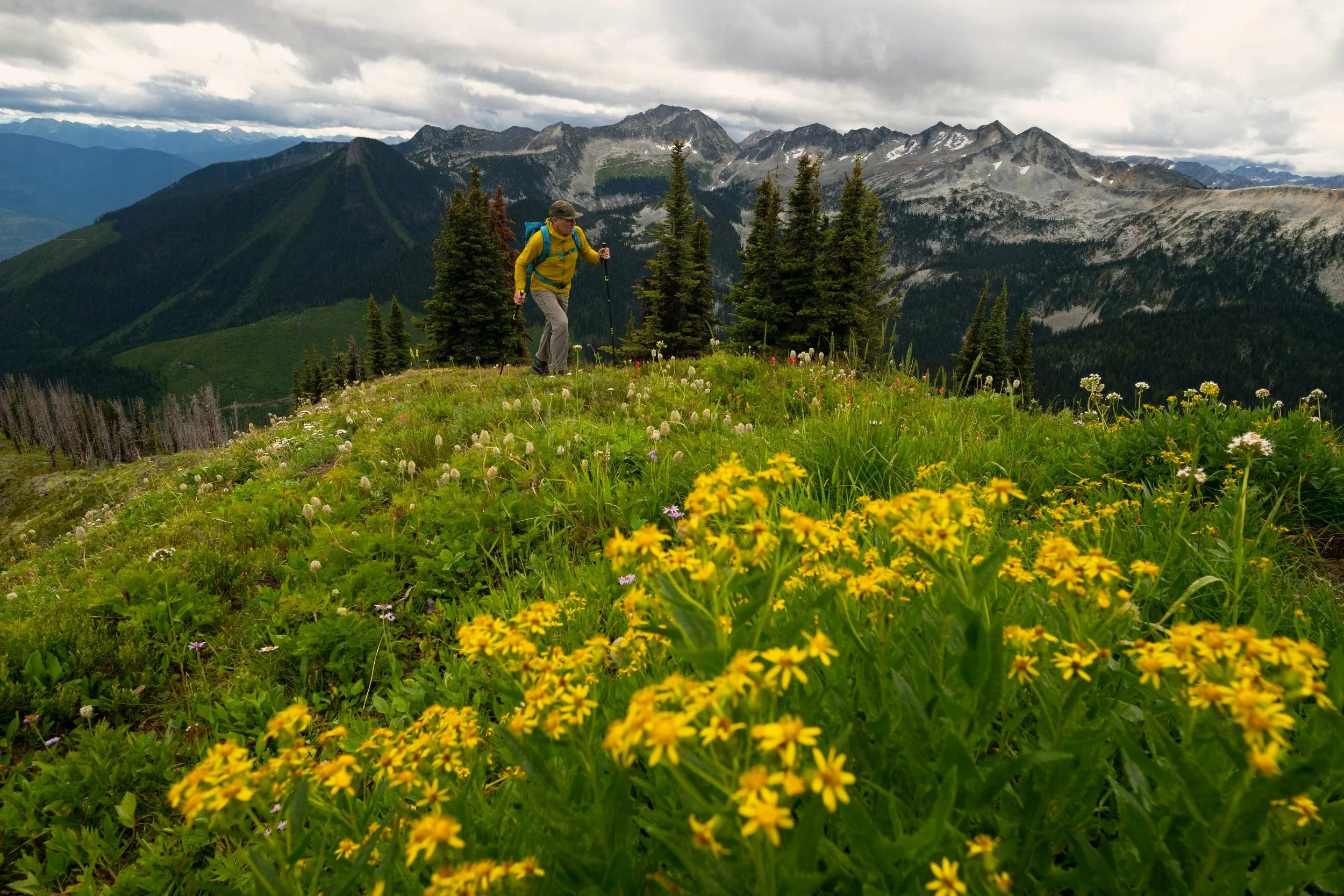
Understanding the wild creatures (other than us!) who live and move through here and how our presence can affect them helps us make responsible decisions. Whether skiing the slopes or hiking the hills, being wildlife-wise protects the places and species we treasure.
Here are some tips to help you respect wildlife while exploring the backcountry.
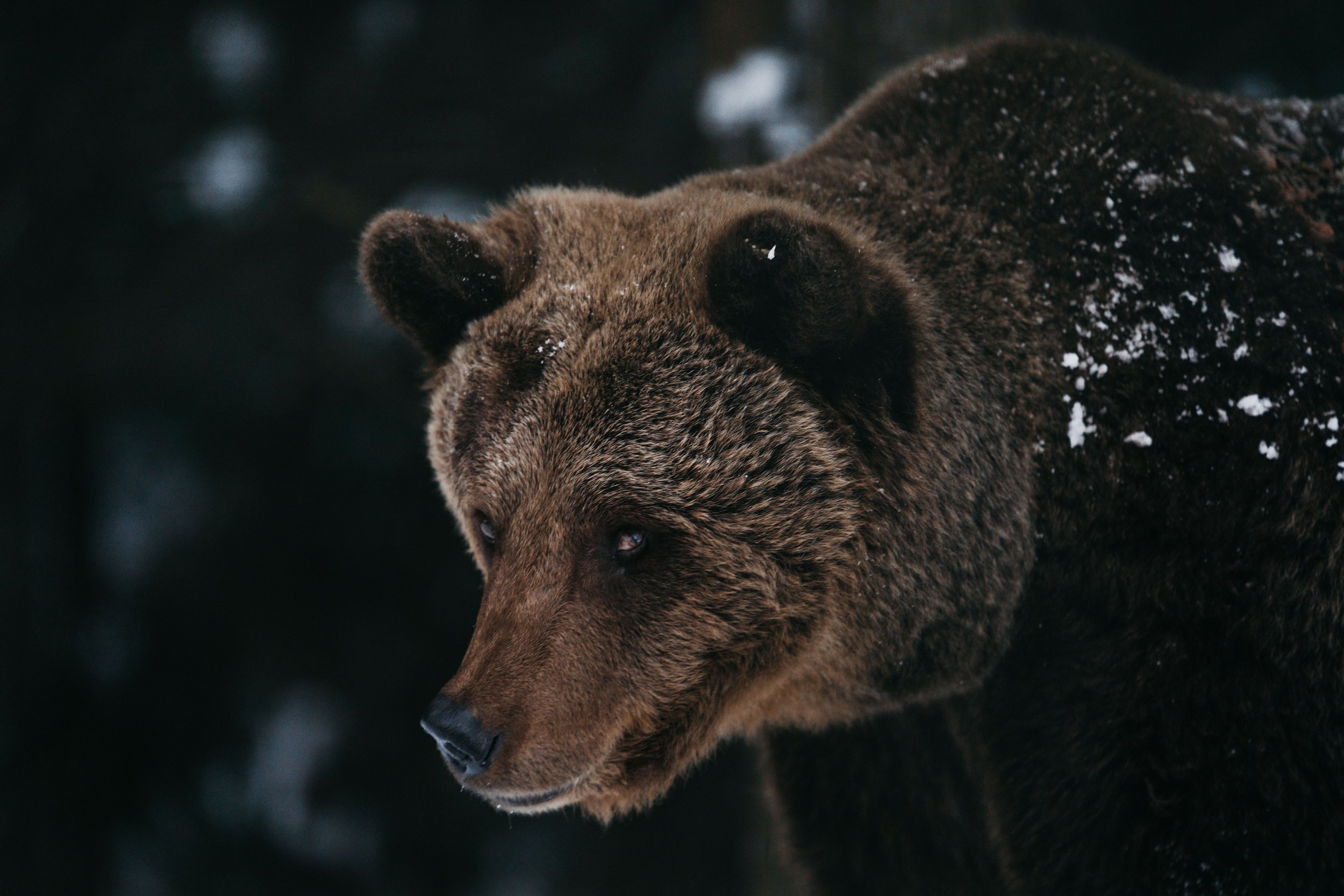
Grizzly bears are an umbrella species – integral to maintaining healthy populations of many other species and ecosystems. You are most likely to see a bear spring to fall as they roam these mountains in search of food, preparing for denning in the winter.
Bear safety starts with you.
Playing Safe in Grizzly Bear Country
Travel Smart
Move in groups, make noise, keep pets leashed, carry bear spray and know how to use it.
See the signs
Watch for bear activity such as tracks, scat, dug-up anthills, overturned rocks, or stripped berry bushes. If you see signs, leave the area while staying alert.
Choose the place and the moment
There are times and places where encounters are more likely.
These include dusk, dawn, and night, in noisy conditions (heavy rain, wind, running water), and with reduced sightlines (dense brush, blind corners, hilly terrain). When you are moving fast it increases the chance of an encounter, such as biking or running.
Watch for Wolverines
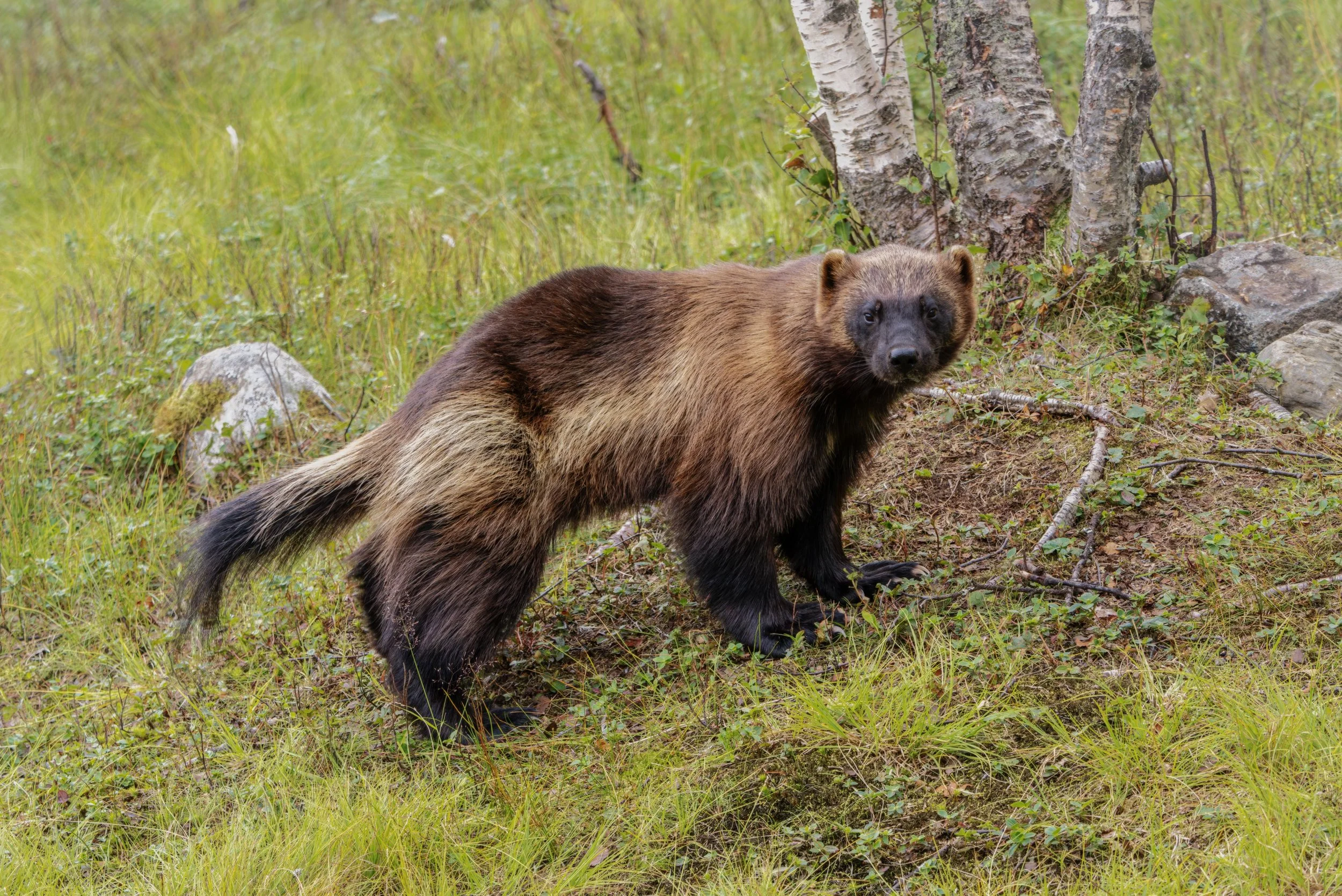
Wolverines are rare and solitary, and move like masters in the mountains. Adapted to deep snow, they will go straight up and over ridges and cache their scavenged food in snow pits. Wolverines depend on wild, undisturbed landscapes to roam and raise their young.
Give wolverines the space they need.
From January to mid-May, female wolverines den in the alpine generally near tree line. Disturbance during this time can cause wolverines to abandon their dens, so avoiding them helps protect this rare and sensitive species.
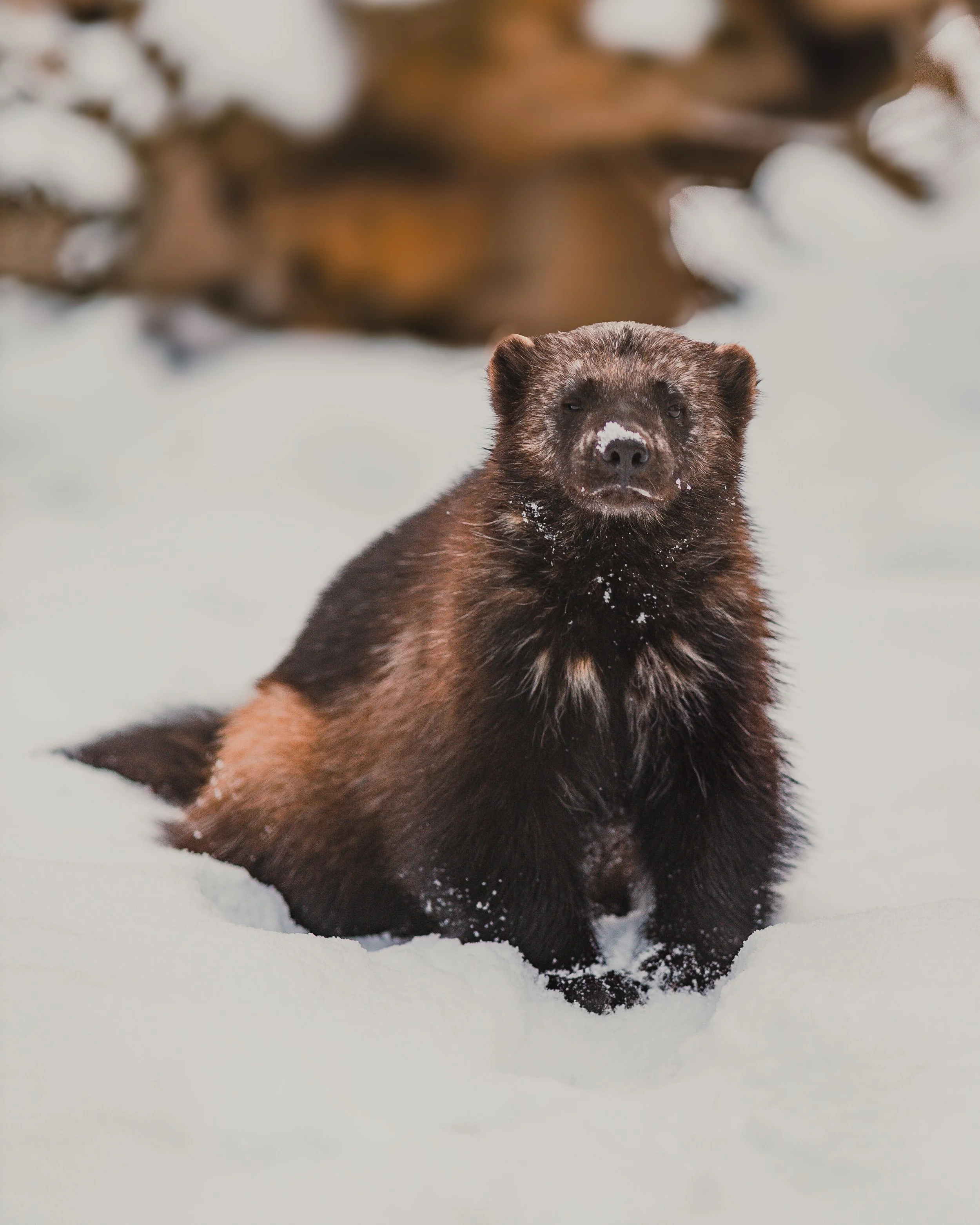
Know the signs.
Look for solitary, wide-set tracks that travel long distances.
A cluster of tracks around holes in the snow may indicate a den.
If you see a network of tracks, leave the area and avoid returning during the denning season.
Report wolverine sightings to wolverinewatch.org to support ongoing research and conservation.
Respecting Mountain Caribou
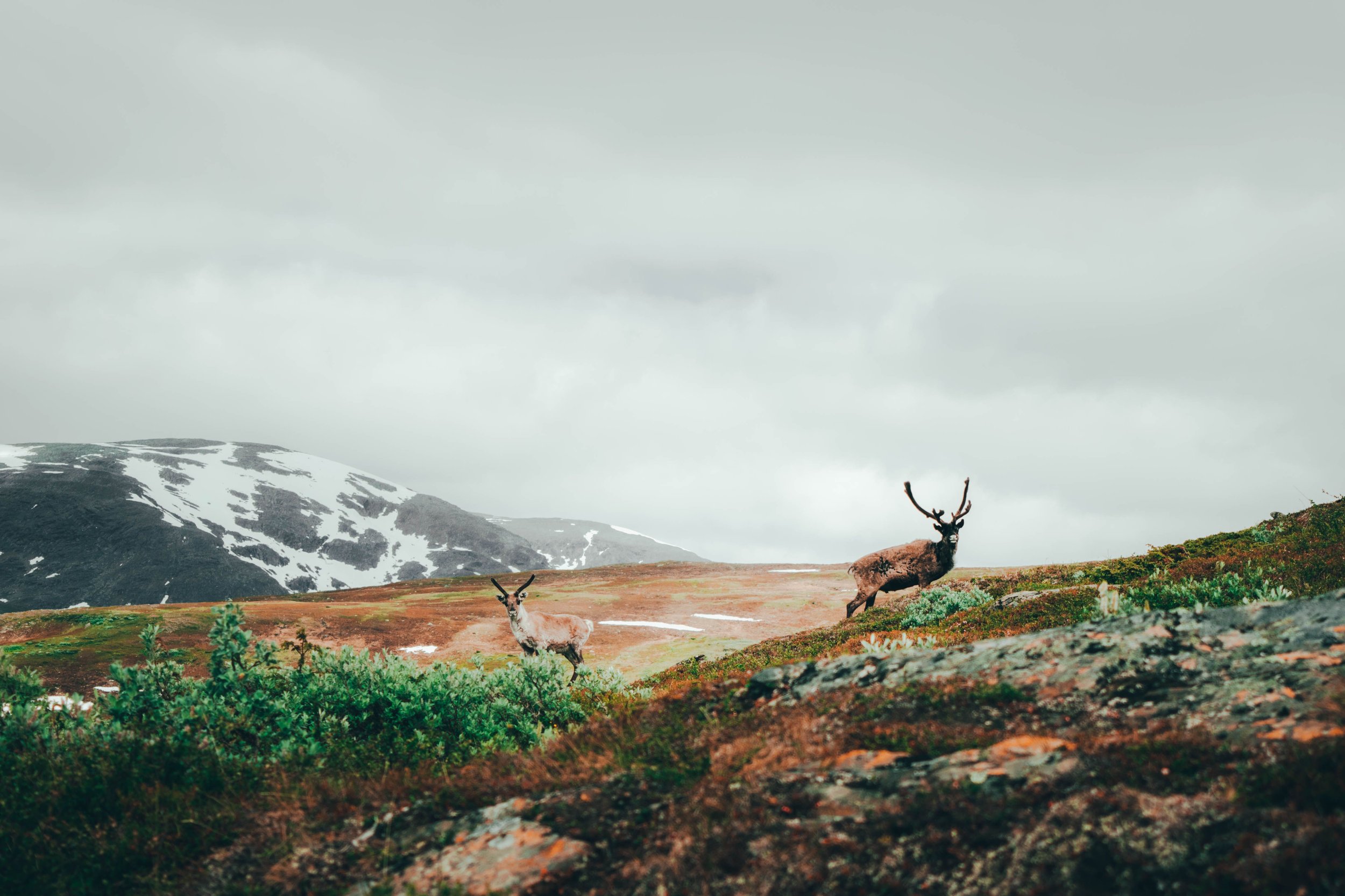
Mountain caribou are a threatened species, with very few animals left in the Selkirk Mountains. BC’s Caribou Recovery Program aims to recover these at-risk populations to self-sustaining levels through a variety of actions. The Arrow Lakes Caribou Society runs a Maternity Pen Project near Nakusp to support recovery efforts.
While it would be an incredibly rare and wonderful sighting, give a mountain caribou plenty of space and leave the area immediately.
These animals are on the brink.
Travel Smart with Goats
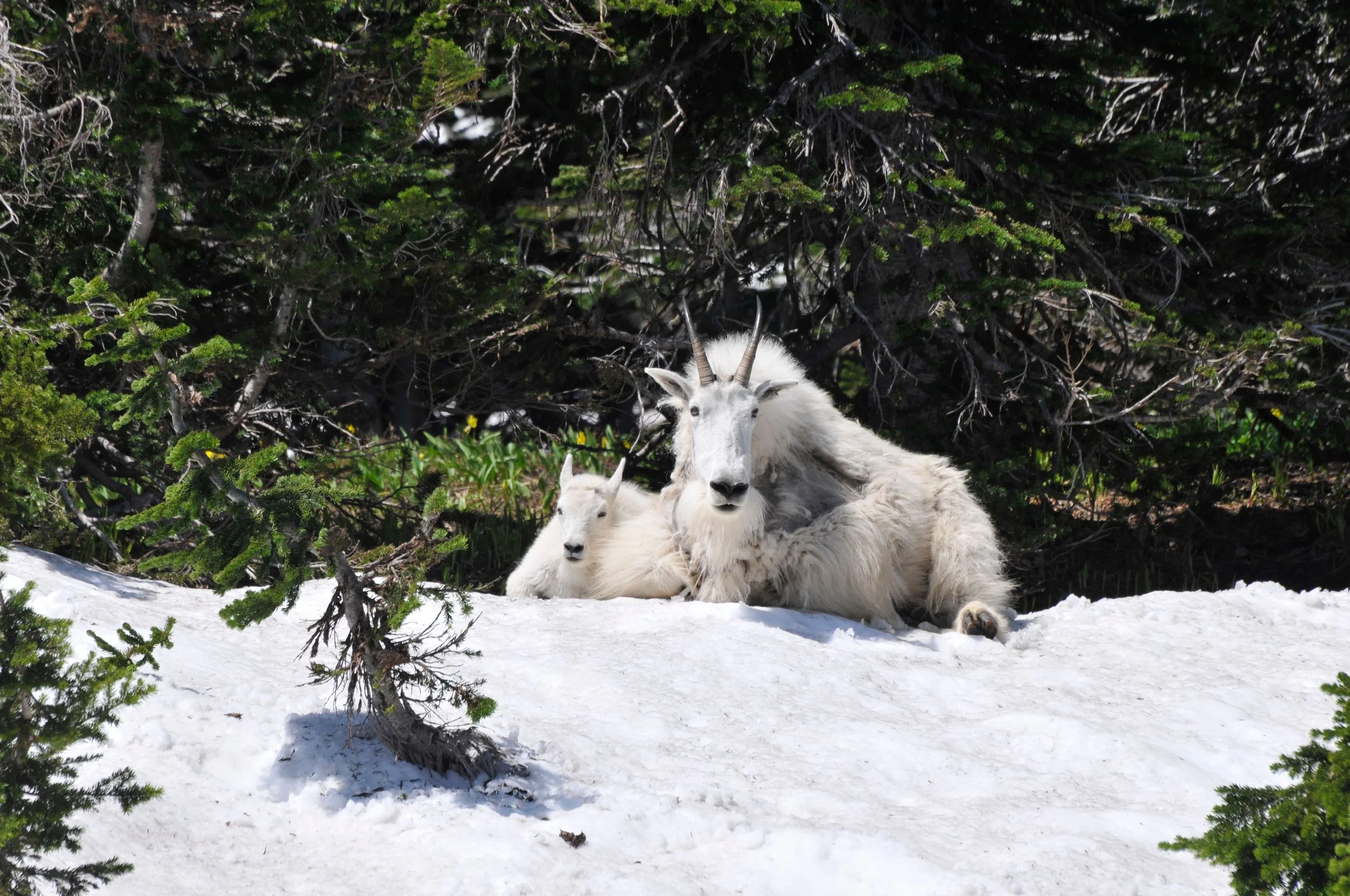
BC is home to over half of the world’s mountain goat population, thriving in these rugged mountains. While highly adapted to the alpine environment, they are sensitive to human disturbance. Winter is especially challenging as it takes energy to move through deep snow and there are limited food sources. Every calorie counts so human disturbance can force mountain goats to flee - sometimes into steep, avalanche-prone terrain.
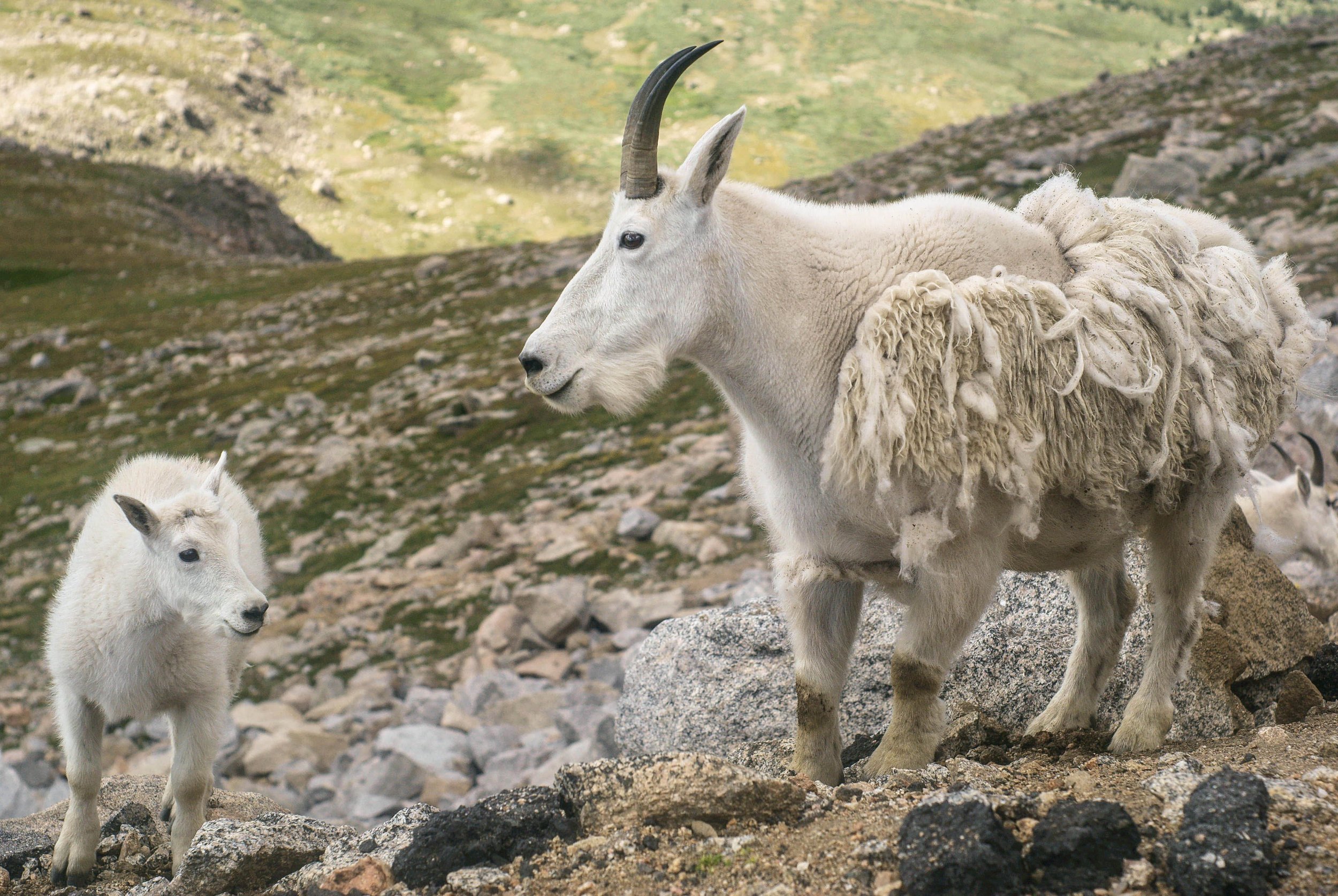
Help reduce impacts to mountain goats:
Know where goats are. Look for steep, windswept slopes, ridgelines, or lower-elevation rocky outcrops.
Take a different path when you spot tracks or animals. If you see hooved tracks or goats, change your route by angling away from tracks safely and minimizing noise and sudden movements. Try to keep at least 500 meters between goats and your group.
Keep dogs leashed, as mountain goats can be aggressive to dogs.
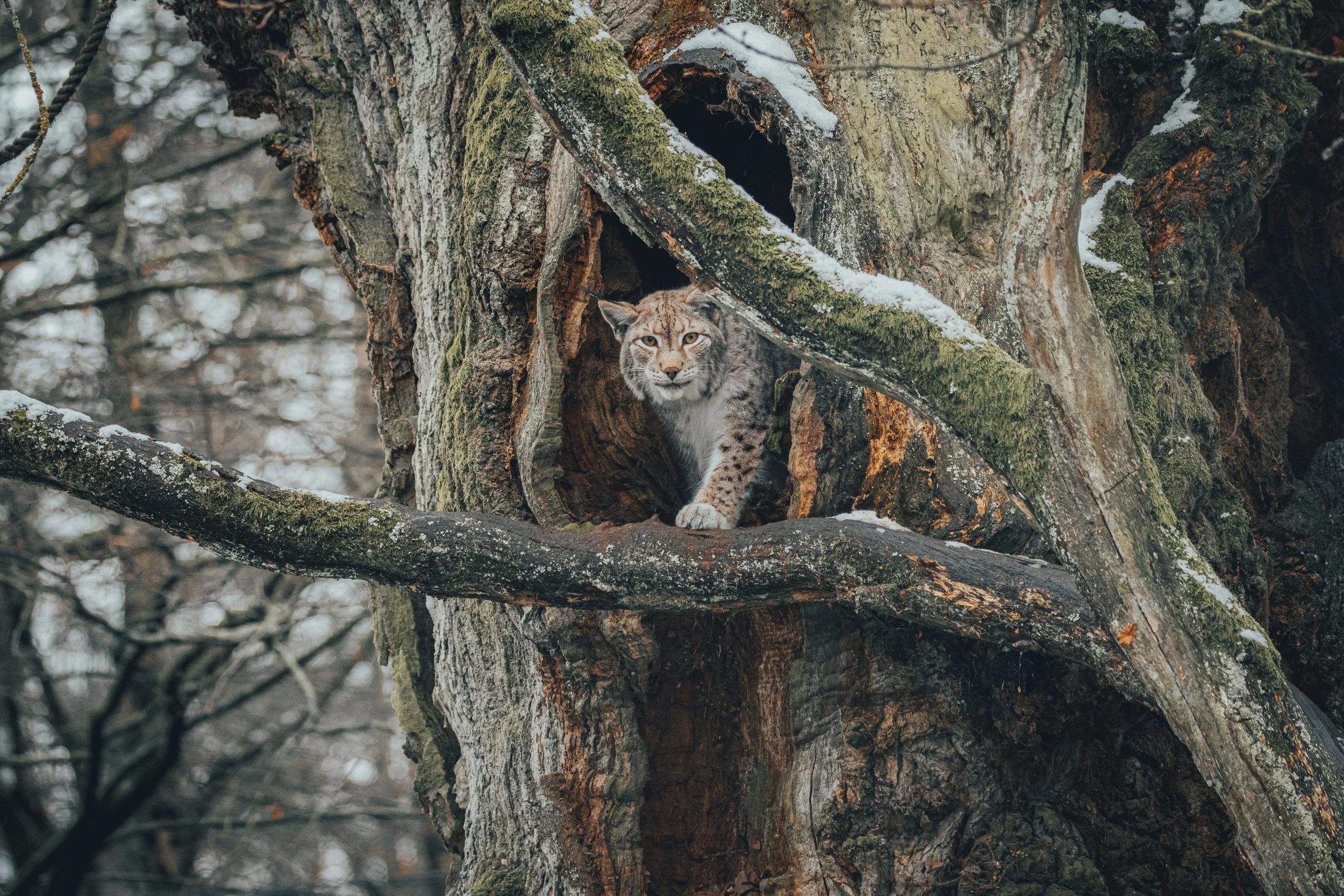
Lynx are found throughout forested areas of British Columbia. Their populations are tied to the population cycles of snowshoe hares, which is another beautiful wild creature you are likely to see!
Lynx are at risk due to the loss of primary forests so it’s important to minimize disturbance:
Sharing Space with Lynx
Give lynx space by observing distance and do not approach.
Minimize stress Travel in smaller groups and keeping pets leashed.
Stay on trails and watch for signs Change your route if you see tracks.
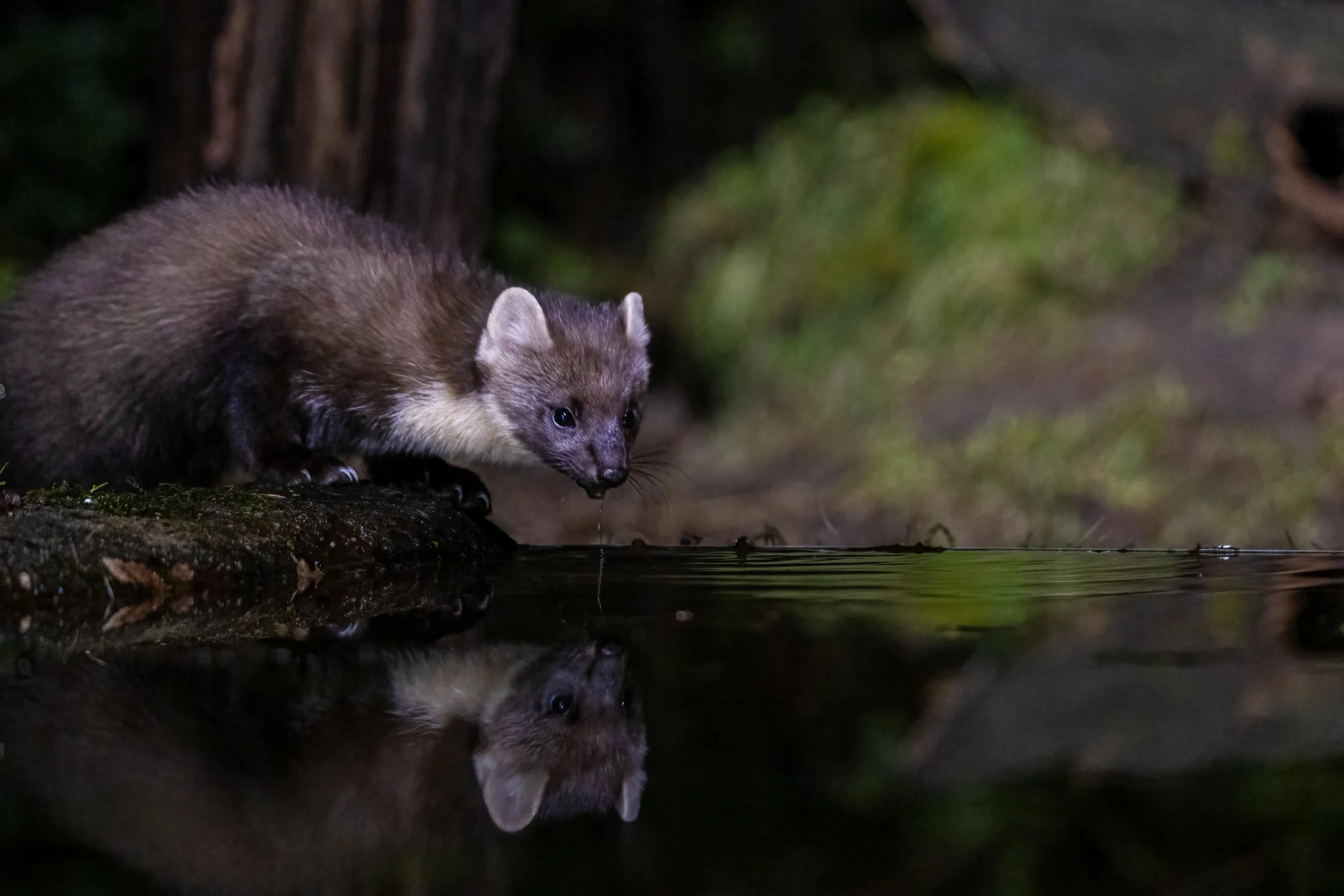
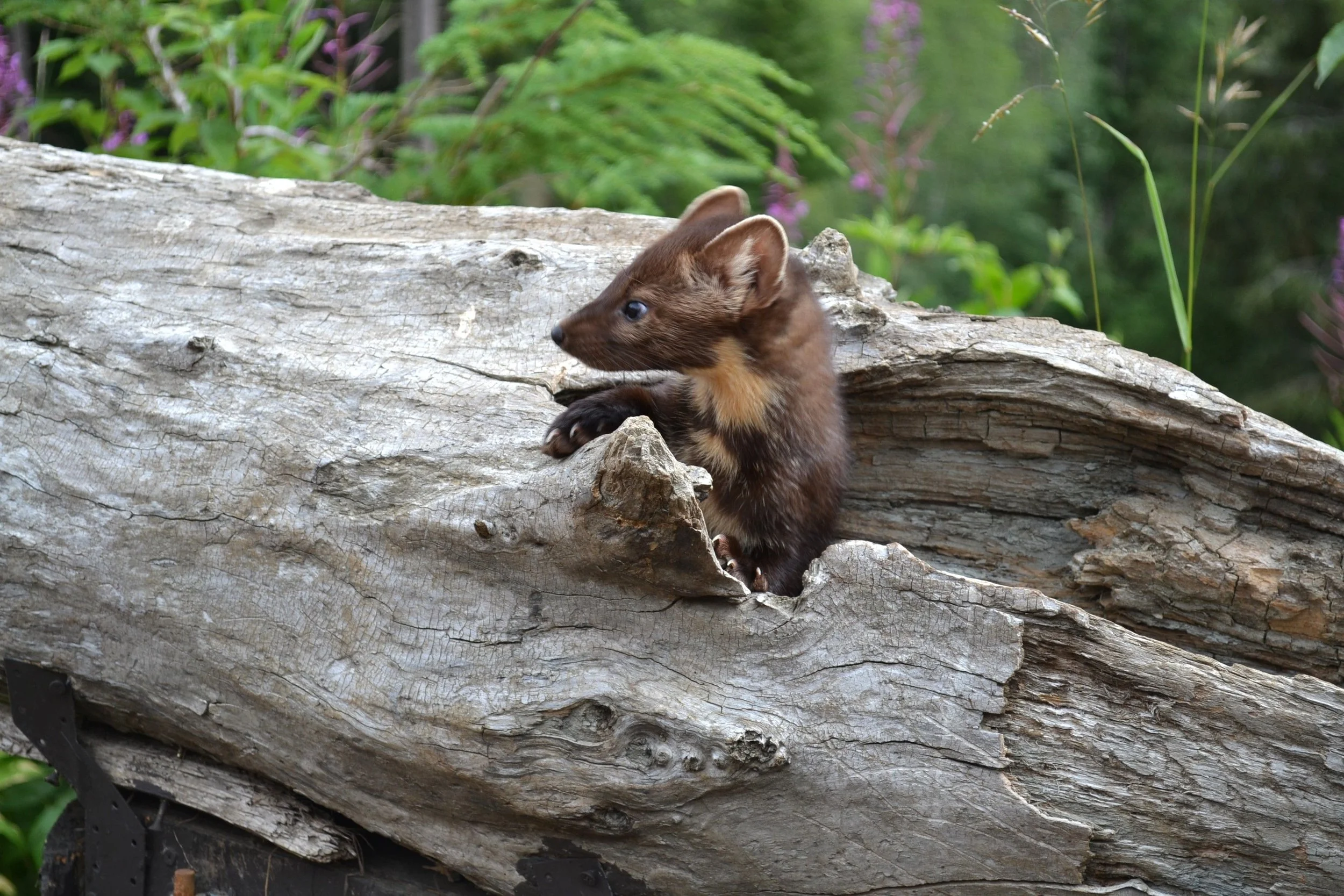
Pine Martens are curious, quick and incredibly agile! They are found across BC, prefer old-growth forests, and usually make their dens in hollow trees. With their ability to eat a range of foods, from berries to eggs to voles and mice, they help balance ecosystem dynamics.
Playing Smart in Pine Marten Habitat
To reduce disturbance keep pets on a leash and observe martens from a distance.
How you can help?
In addition to keeping light footprints on the landscape, we financially support organizations such as the Yellowstone to Yukon Conservation Initiative and Wildsight who work to ensure people and nature can thrive together on these shared landscapes.
We encourage our guests to support these groups or others working to keep wild places wild so that future generations can continue to experience the connection to nature that we do today.